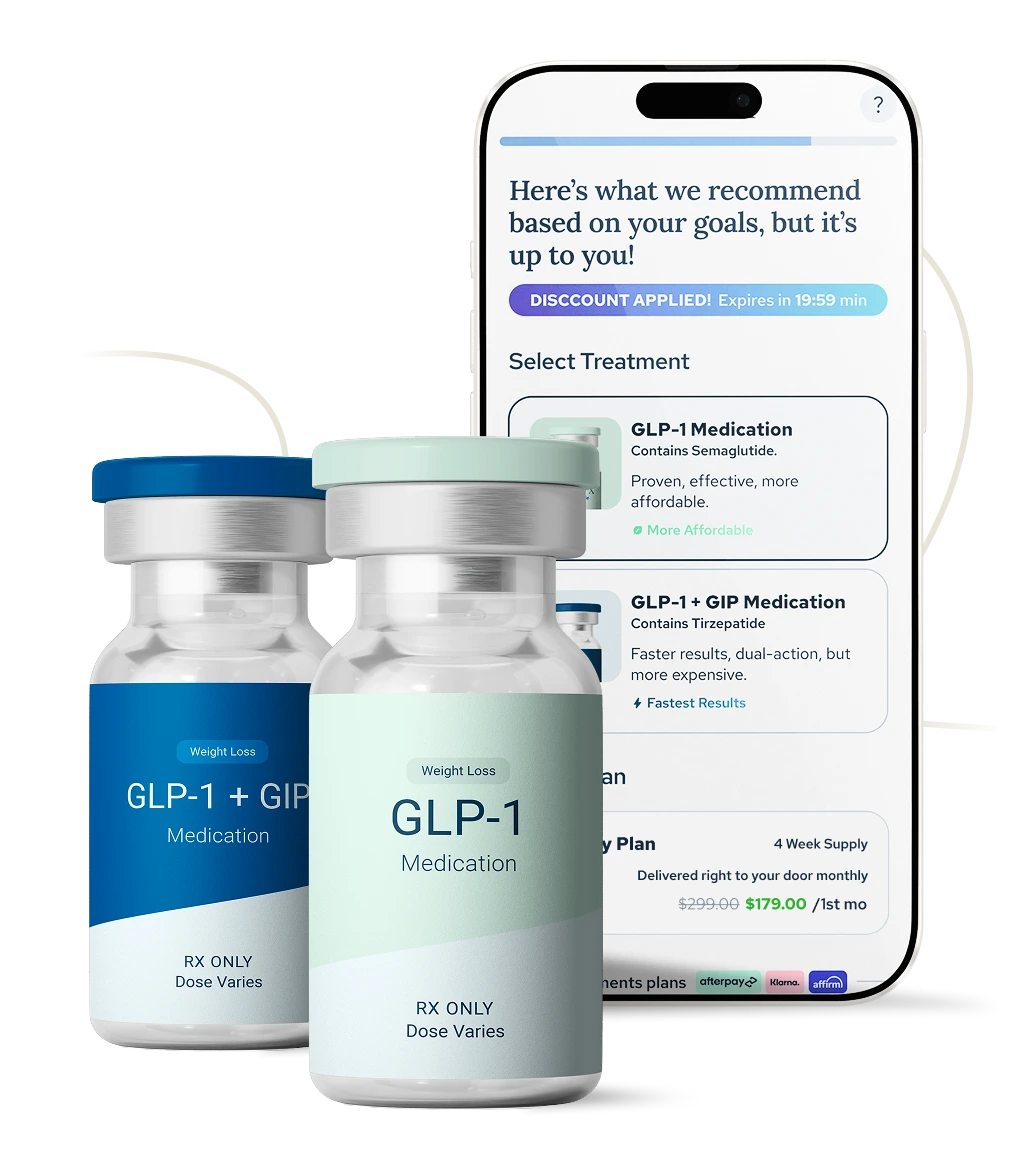
Find The Right Weekly GLP-1 Weight-Loss Injection Service for You
The rise of telehealth has made GLP-1 weight-loss injections more accessible than ever — but not all providers are equal. Weekly injectable medications like semaglutide and tirzepatide have shown transformative results in clinical trials, with patients losing 15–22% of their body weight on average. However, the quality of care, pricing transparency, and clinical oversight varies dramatically from one platform to the next.
Choosing the wrong provider can mean overpaying by hundreds of dollars per month, receiving medication from an unaccredited pharmacy, or having no real physician monitoring your progress. Our editorial team spent three months completing real intakes, filling prescriptions, and logging care team interactions across every major provider to build this guide.
Whether you're considering GLP-1 therapy for the first time or looking to switch from your current provider, this breakdown covers everything you need to make a confident, informed decision — from understanding the medications themselves to knowing exactly what to look for in a telehealth service.

In Finding Your Weekly GLP-1 Injection Service for the Test
We evaluated every provider across six core criteria: clinical oversight quality, medication authenticity, pricing transparency, speed of access, ongoing patient support, and digital experience. Each provider was tested over a full 90-day period, with real intake forms completed, prescriptions filled, and care team response times measured at multiple touchpoints.
The difference between a top-ranked and bottom-ranked service is enormous. The best providers connect you with a board-certified obesity medicine physician within 24–48 hours and follow standardized titration protocols designed to minimize side effects. The worst offer vague intake questionnaires with no real clinical review and no follow-up once the prescription is issued.
Cost variation was striking. Monthly out-of-pocket costs for similar compounded semaglutide ranged from $149 to over $600. The most significant differentiator at the premium end was insurance navigation — top providers employ dedicated billing specialists who manage prior authorization and appeals on your behalf, saving patients an average of $300–$800 per month.
Patient support quality also diverged sharply. Leading platforms offer 24/7 clinical messaging with response times under four hours. Several lower-ranked providers averaged 48–72 hours for a response, which is clinically unacceptable when a patient is experiencing side effects during dose escalation.
What is a GLP-1? Glucagon-like peptide-1 receptor agonists mimic a gut hormone that regulates appetite and blood sugar. They slow gastric emptying and suppress hunger signals — producing 15–22% average body weight reduction in clinical trials.
[1,2] Individual results vary. These are prescription medications requiring a licensed physician evaluation.
How to Choose the Right GLP-1 Provider
Not every GLP-1 telehealth platform is built the same way. Some are staffed by obesity medicine specialists who tailor your protocol to your metabolic history. Others are essentially prescription portals that issue refills with minimal clinical engagement. Knowing the difference before you sign up can save you time, money, and potential health risks.
Start by confirming that the service employs licensed physicians — not just nurse practitioners working under minimal supervision. Ask whether they require lab work before prescribing, and whether they have a clear escalation path if you experience side effects. The best providers will proactively schedule quarterly metabolic reviews as part of your subscription.
Pricing transparency is another major red flag area. Some services advertise low introductory prices that increase significantly after the first month, or charge separately for consultations, labs, and medication. Always ask for a full cost breakdown before committing, and confirm whether the price includes physician visits or only the compound.

Key Questions to Ask Any GLP-1 Provider
- Who reviews my intake? — Confirm a licensed physician, not just an AI algorithm, reviews your medical history before prescribing.
- Where is the medication compounded? — Ensure the pharmacy is FDA-registered and 503B-accredited for sterile compounding.
- What does the monthly price include? — Clarify whether consultations, lab reviews, and dose adjustments are bundled or billed separately.
- How fast can I reach clinical support? — Ask about average response time for clinical messaging, especially for side effect concerns.
- Do you offer tirzepatide? — Some platforms only carry semaglutide; tirzepatide has shown superior average weight loss in head-to-head comparisons.
- Can you help with insurance? — If you have commercial or Medicare coverage, a provider with a dedicated billing team can dramatically reduce your costs.
Understanding Semaglutide vs. Tirzepatide
Both semaglutide and tirzepatide are weekly injectable GLP-1 receptor agonists, but they work differently. Semaglutide (sold as Wegovy for weight loss, Ozempic for diabetes) activates only the GLP-1 receptor, producing approximately 15% average body weight reduction in clinical trials over 68 weeks.
Tirzepatide (Zepbound for weight loss, Mounjaro for diabetes) is a dual agonist — it activates both the GLP-1 and GIP receptors simultaneously. This dual mechanism produces approximately 22% average weight reduction, making it the most effective obesity medication currently available. However, it is generally more expensive, less widely available as a compound, and not all platforms offer it.
For most patients starting GLP-1 therapy, semaglutide is an excellent first choice due to its lower cost, broader availability, and strong clinical evidence base. Patients who have already tried semaglutide with suboptimal results — or who need maximum efficacy — may benefit more from tirzepatide under physician guidance.
Insurance Update (June 2026): Medicare now covers Wegovy for patients with documented cardiovascular disease.
[3] Many major commercial insurers cover Zepbound (tirzepatide) for obesity with a BMI ≥30 or ≥27 with a weight-related comorbidity. Always verify prior authorization requirements with your specific plan before starting treatment. Coverage and eligibility vary.
Frequently Asked Questions
What are GLP-1 weight-loss injections?
+
GLP-1 (glucagon-like peptide-1) receptor agonists are injectable medications that mimic a gut hormone regulating appetite and blood sugar. They slow gastric emptying and suppress hunger signals, producing significant caloric reduction without relying on willpower. Clinical trials show 15–22% average body weight reduction over 68 weeks depending on the medication used.
Are GLP-1 injections safe for long-term use?
+
Clinical trials have followed patients on semaglutide for up to 4 years with an acceptable safety profile. Common side effects include nausea, vomiting, and constipation — especially during dose escalation. Serious but rare risks include pancreatitis and gallbladder disease. GLP-1 medications should always be used under physician supervision with periodic lab monitoring.
What is the difference between semaglutide and tirzepatide?
+
Semaglutide (Wegovy, Ozempic) activates the GLP-1 receptor and produces approximately 15% average weight loss in trials. Tirzepatide (Zepbound, Mounjaro) activates both GLP-1 and GIP receptors, producing approximately 22% average weight loss — currently the highest of any approved obesity medication. Both are administered as weekly subcutaneous injections.
Does insurance cover GLP-1 weight-loss medications?
+
Coverage varies widely by plan. Medicare now covers Wegovy for patients with cardiovascular disease, and many commercial insurers cover Zepbound (tirzepatide) for obesity. Out-of-pocket costs range from $0–$50/month with strong coverage to $250–$600+ without. Providers with dedicated insurance navigation teams can significantly reduce your costs through prior authorization and copay assistance programs.
How quickly do GLP-1 injections start working?
+
Most patients notice reduced appetite within the first 1–2 weeks of starting. Meaningful weight loss — typically 2–4% of body weight — is usually visible within the first 4–8 weeks. Maximum efficacy is generally reached after 12–16 weeks of dose titration. Patients who do not respond adequately at the maximum dose of semaglutide may be candidates for tirzepatide.
What happens when I stop taking GLP-1 medication?
+
Studies show most patients regain 50–66% of lost weight within 1–2 years after discontinuing GLP-1 therapy. This reflects that obesity is a chronic condition, not a short-term problem. The best providers combine medication with behavioral coaching and nutrition guidance to build sustainable lifestyle habits — reducing the degree of weight regain if medication is eventually stopped.
Is compounded semaglutide as effective as brand-name Wegovy?
+
Compounded semaglutide contains the same active ingredient as Wegovy and is prepared by licensed 503B compounding pharmacies. However, it is not FDA-approved for safety and efficacy. Clinical outcomes are generally comparable when properly dosed, but quality varies by pharmacy. As of June 2026, the FDA removed semaglutide from the drug shortage list — verify that your provider sources from a legitimate 503B-registered facility.
References
- Wilding JPH, et al. "Once-Weekly Semaglutide in Adults with Overweight or Obesity." N Engl J Med. 2021;384:989–1002. doi:10.1056/NEJMoa2032183
- Jastreboff AM, et al. "Tirzepatide Once Weekly for the Treatment of Obesity." N Engl J Med. 2022;387:205–216. doi:10.1056/NEJMoa2206038
- Lincoff AM, et al. "Semaglutide and Cardiovascular Outcomes in Obesity without Diabetes." N Engl J Med. 2023;389:2221–2232. doi:10.1056/NEJMoa2307563